
B O O K R E L E A S E !

This is how it all begins: Raymond see Don Quixote lying in a skip… Arts Librarian Raymond mounts a defence of the printed word as a digital purge sweeps through his university library. Thousands of volumes are culled before the librarian himself is shown the door. Redundant, alone with his books, Raymond plots his renaissance…
Renaissance is a novel of books, of architecture, of rediscovery that explores the relationship between past and present, old and new, between personal and cultural longing.
Renaissance was launched by Raimond De Weedrt on the 11th of December at the Serpentine Community Gallery in Lismore.
It is available direct. Email linzi@linzimurrie.com for payment details.
Retail price: $28 + Postage in Australia: $10.00.
An extract can be found here.
Peter Handke went to university in Graz to study Law, and I went to university in Graz to study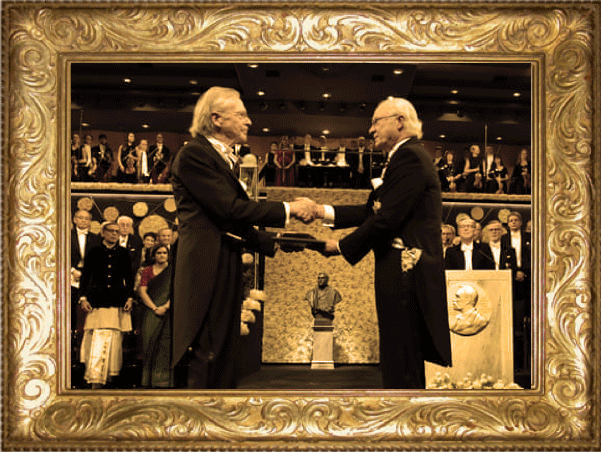 Peter Handke. Well, among other things, but Peter Handke and the theory of the Periphizierung are the two subjects I remember best from my semester there. It was 1992, the siege of Sarajevo had started months before, but the massacre in Srebrenica was still three years away. Even so, the international students in Graz were already whispering ‘genocide’ in astonishment at the daily news feeds.When I arrived in late September, Steirischer Herbst, the month-long Graz arts festival, was about to begin, and one of the stars of the show (and why not?) was das Enfant terrible of German literature, Peter Handke…
Meglio porco che fascista! Immediatamente mi ricordo l’espressione comune dalla mia giovinezza «Fascist pig!» che usavamo in molte occasioni: contro i carabinieri durante manifestazioni, contro i politici della destra, contro gli studenti della destra, contro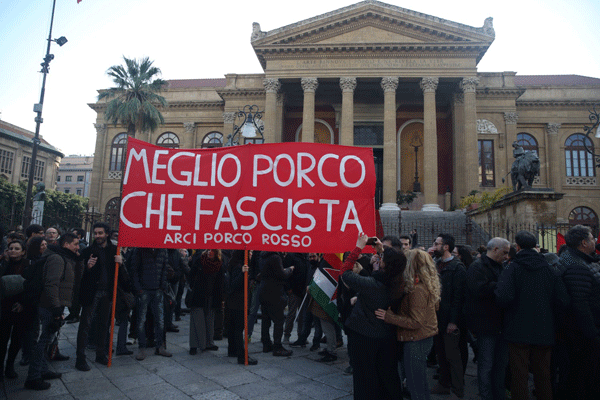 qualcuno che ha saltato la coda, e contro qualsiasi che non era d’accordo con noi. In ogni occasione il «fascist pig» era né fascista né porco. Non pensavamo che ci fossi qualsiasi differenza tra un fascista e un porco; «fascist pig» è quasi stata una parola «singola»…
How can you know about literature if all you do is read books? Young academic, Erica Nahum, puts her books aside and sets off to pursue the great literary critic and theorist,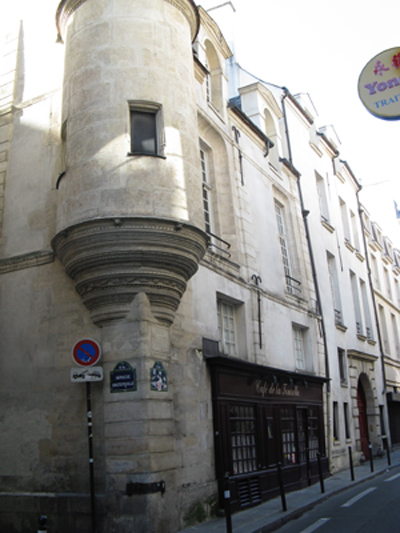 Jacques Simon, across Paris. It is 1991 and Simon is already ten years dead. She takes just one book, Simon par Simon, an autobiography in which most of the subject is missing. She will find the elusive Simon in Paris, she will uncover who he might have been: a writer who lived as daringly as he wrote, a secret lover, a novelist lurking behind the famous critic.
Her pursuit of Simon leads her everywhere, but nothing is as it seems: not Jacques Simon, not the French lover, not Paris itself. In the end she must reconcile herself to the image of her writer as a tragic figure…
The winter garden in our subtropical climate is usually more productive than the summer 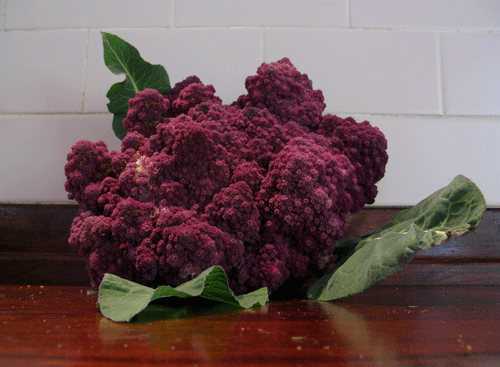 garden. To my eye, the winter garden is more beautiful than the summer garden. Plants last longer and the garden beds have a more ‘architectural’ quality. The brassicas, the fennel, the spring onions, the leeks and various varieties of lettuce contribute to a garden that is full of diversity, but also has a sense of complete-ness, as if everything belongs together.
biennale postscript: conversations with an architect
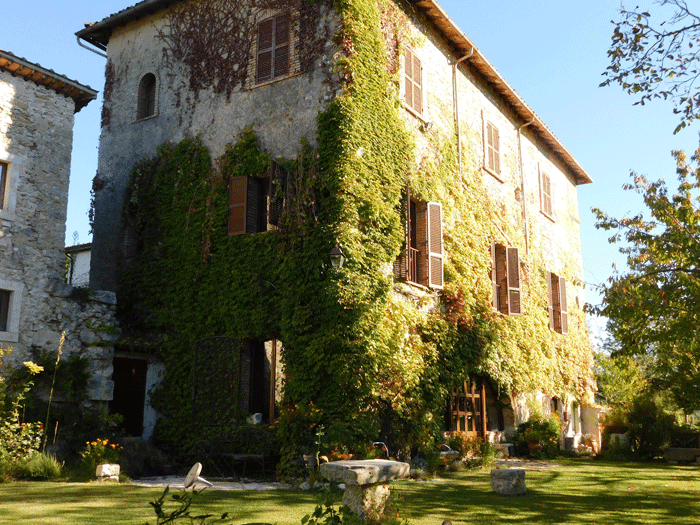 I just want to hug this building!
After the biennale we spend a week in the countryside north of Rome, where we have the chance to talk architecture with R, who has been designing and building for decades. R has completed a number of wonderful houses among the olive groves of Sabina, and has intriguing plans for more. He tells us about them, he tells us Australians of his admiration for the work of Glenn Murcutt.
R has a passion for sustainability and a powerful understanding of architectural history and philosophy. Much of the discussion is on the philosophical level. R talks of creativity, of how barely having enough, but never more than that, is the source of innovation: making do, finding ways to live well with whatever is at hand. A creative way of living, it is poor, he says, but ‘poor’ is not ‘misery’, it is not the desperation of the war-dispossessed, the misery of the refugee; poor is the necessary condition for innovation…
© 2014-2025 Linzi Murrie All rights reserved.

 linzi murrie